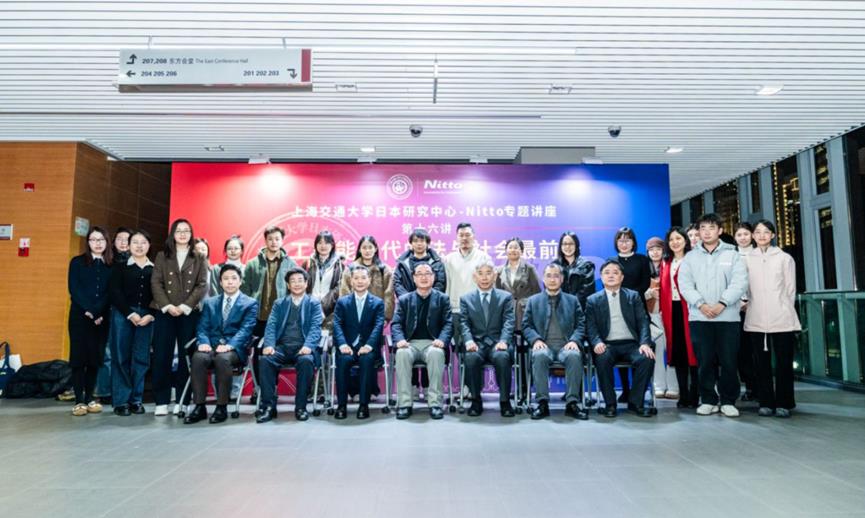
On the afternoon of 18th December, the 16th
lecture of Nitto themed series by Center for Japanese studies, Shanghai Jiao Tong
University (“the Center”) was successfully held at Xuhui Campus of Shanghai
Jiao Tong University (SJTU). The lecture was hosted by the Center, co-organised
by KoGuan School of Law, SJTU and China Institute for Socio-Legal Studies,
and supported by Nitto Denko (China) Investment Co.,
Ltd. Huang Xiangqing, Deputy Director of the Social and Legal Affairs Committee
of Shanghai Municipal Political Consultative Conference and Distinguished
Professor of Shanghai University of Political Science and Law, and Lu Baoliang,
Professor of Department of Computer Science and Engineering , Shanghai Jiao
Tong University, Guangci Professor of Ruijin Hospital, Shanghai Jiao Tong
University School of Medicine , and IEEE Fellow, delivered the keynote speech.
Luo Zhiwei, Associate Librarian of Kobe University Library, Librarian of Natural
Science Library and Professor of Graduate School of System Informatics, Kobe
University and Chang Qing, Researcher of Institute of Digestive Surgery and
Director of Ruijin Hospital, Shanghai Jiao Tong University School of Medicine and
Director of Ruijin Innovation Center participated in the talk. Cheng Jinhua, University
Librarian, SJTU Library, Vice President of China Institute for Socio-Legal Studies, and Distinguished Professor of KoGuan School of Law,
presided over the lecture. Ji Weidong, University Professor of Humanity and
Social Sciences and Director of the Center, and Wang Jian, Director of Business
Planning Department of Nitto Denko (China) Investment Co., Ltd., attended the
lecture and delivered a speech. Cai Yuping, Deputy Director of the Centre and a
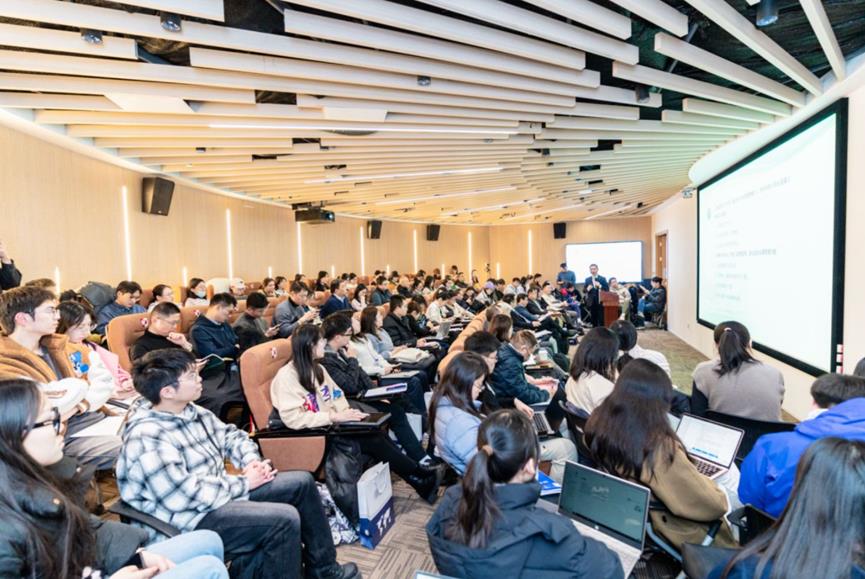
number of researchers attended the meeting. More than 150 experts, scholars, entrepreneurs and
practitioners in fields such as artificial intelligence, medicine, law and
other related fields, , as well as teachers and students of SJTU participated
in the lecture in the form of offline main venue, sub-venue or online live
broadcast.
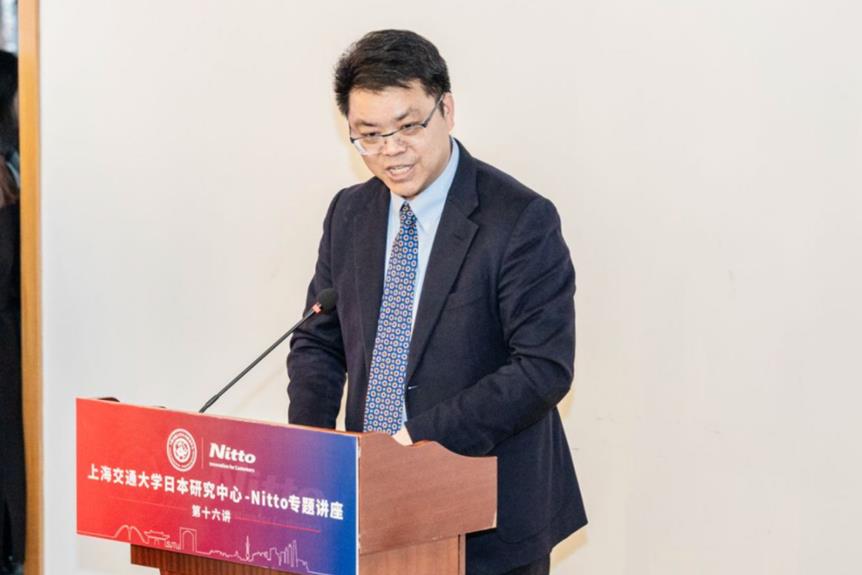
Cheng Jinhua presided over this lecture. He mentioned that the Nitto
Lecture had been held since 2018 and had become an important platform for
academic cooperation and exchange between China and Japan. Over the past five years, the Nitto Lecture has invited many
distinguished experts and scholars from Chinese and Japanese politics,
academia, and industry to engage in profound reflection and dialogue on
cutting-edge issues between China and Japan, and has gradually developed into a
key link for promoting academic interaction and cooperation between China and
Japan, and an important platform for academic exchanges between China and
Japan. The theme of this lecture was ‘The Frontiers of Law and Society in the
Age of Artificial Intelligence’, and renowned scholars from across disciplines were
invited to give presentations on the impact of artificial intelligence on law
and society. He expressed his warm welcome and heartfelt thanks to the guests.
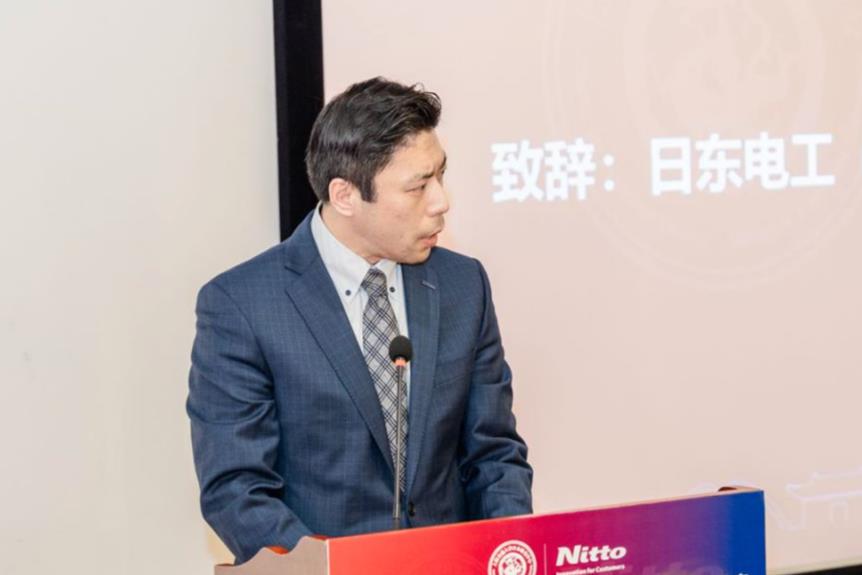
Wang Jian delivered
the opening speech. He expressed his sincere greetings and thanks to the
attending guests. He mentioned that Judge Huang Xiangqing and Professor Lu Baoliang
were invited to give a wonderful speech on the application of modern
information technology in judicial and the research of emotional brain-computer
interface respectively. He said that information technology not only improved
judicial efficiency and resource allocation, but also brought about issues such
as data privacy and technological ethics, and he looked forward to Professor
Luo Zhiwei from Kobe University and Director Chang Qing from Ruijin Hospital providing
important ideas for the integration of information technology and justice as
well as the development of emotional intelligence.
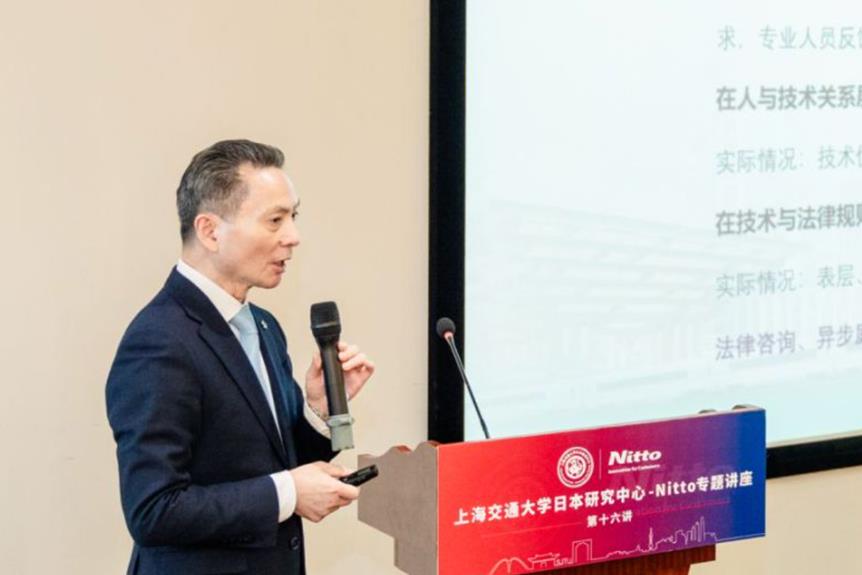
Huang Xiangqing
gave a keynote speech on ”The Application of Modern Information Technology in
the Judicial Field”. He first focused on the current situation and problems of
the application of modern information technology in the judicial field,
pointing out that modern information technology had been widely used in the judicial
field and had achieved remarkable results. However, there were currently three
problems: first, the supply of technology was often proactive, while professional
demand was relatively passive, which made it difficult for technicians to systematically
and deeply understand legal needs. Second, the advantages of technology were
commonly amplified and the advantages of people were easy to be overlooked, and
the complementary qualities of the two advantages needed to be highlighted;
Third, the local functional advantages formed
by technology and the overall coordination of the entire litigation process needed
to be improved. He further explored the application path of information
technology in judicial process and substantive law, stressing that a deep
understanding of the underlying logic of legal rules was the key to the deep
application of information technology. For example, the inherent requirements
of the principle of direct verbal communication in procedural law could be
better reflected through high-definition, large-screen and sufficient bandwidth
video technology, as well as setting adequate defence process tips in more
complex cases. In substantive law, a full study of typical and atypical
constituent elements and their variations could help improve the quality of judgements.
At the same time, the judicial application of information technology needed to
address the protection of data privacy and ethical issues and avoid the
negative impacts brought by technological applications. Finally, he concluded
that judicial applications should use mature information technology, and
pending cases should not be used as experimental subjects to improve the level
of technology; a team of legal and technical experts should be set up to make
breakthroughs, design products and application scenarios according to the
standards of the expert system, and follow a path from procedure to entity, from
simple to complex, in order to achieve steady development and innovative
breakthroughs in judicial work.
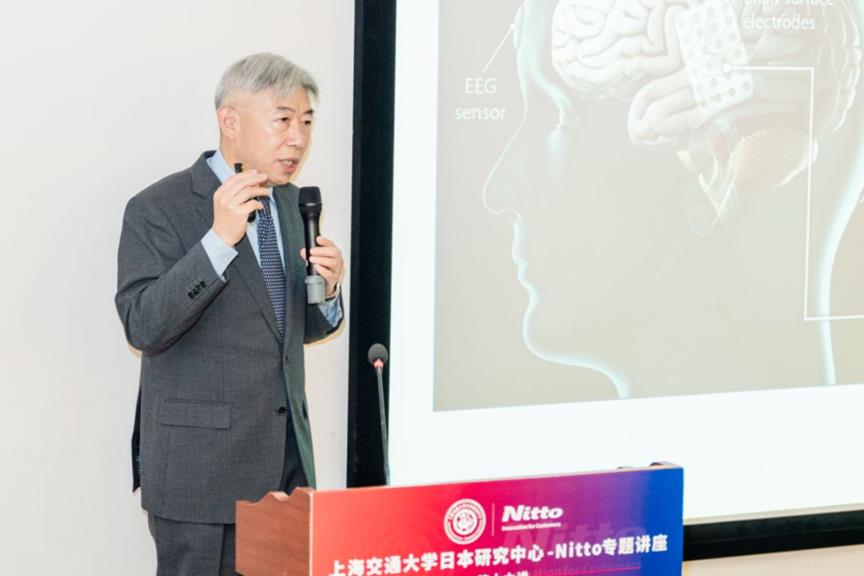
Lu Baoliang
delivered a keynote speech on “Affective Brain-Computer Interface: Decoding
Human Emotions and Decision-making Confidence”, focusing on the development and
application of Affective Brain-Computer Interface. He introduced the mechanism by
which Affective Brain-Computer Interface decoded and regulated human emotions,
accurately identified emotional states using EEG and eye movement signals, and
then regulated the emotions. In addition, he also discussed the application of
EEG signals in decision-making confidence assessment. Research has shown that EEG
signals could reflect the strength of confidence during decision-making and
thus predict the decision-making duration. Lu Baoliang said that affective
brain-computer interface technology was expected to become an important tool
for objective assessment of mental illnesses such as depression. It could
provide scientific basis for the diagnosis and treatment of depression through
the collection of EEG and eye movement data. Looking to the future, affective
brain-computer interface technology would provide new possibilities for
personalized treatment and emotional interactive robots, driving AI towards a more
human emotional direction.
Luo Zhiwei, Associate Librarian of Kobe
University Library, Librarian of Natural Science Library and Professor of Graduate
School of System Informatics, Kobe University and Chang Qing, Researcher of
Institute of Digestive Surgery and Director of Ruijin Hospital, Shanghai Jiao
Tong University School of Medicine and Director of Ruijin Innovation Center, conducted
discussions in combination with their respective professional fields.
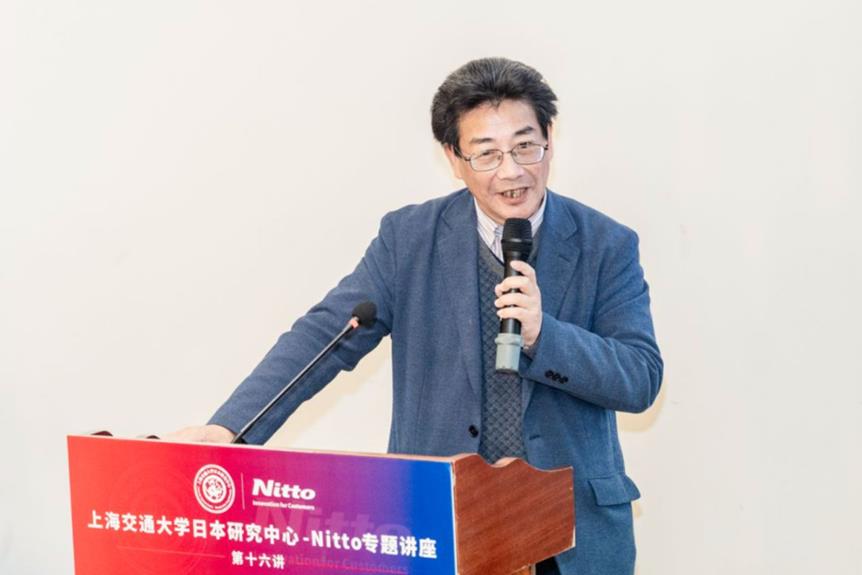
In his talk at the Nitto Lecture, Chang
Qing focused on the current status of the application of artificial
intelligence (AI) technology in the medical field and the accompanying legal
and ethical challenges. He pointed out that the development of intelligent
monitoring and warning systems, intelligent screening and diagnostic
technologies has significantly improved the quality and efficiency of medical
services, achieving advances such as continuous monitoring of patient
physiological parameters, early disease warning, personalized health
management, and remote medical support. However, with the application of these
technologies, data privacy and security have become key issues, and it is
critical to handle data containing sensitive personal information appropriately
to prevent privacy breaches. At the same time, the determination of legal
responsibility has become more complex, and it is necessary to clarify the
responsibilities of all involved parties, ensure accurate traceability of
responsibility in the event of a medical incident, and protect patients' rights
and interests. In the face of these issues, Chang Qing emphasized the
importance of cultivating interdisciplinary ethical literacy talents to cope
with ethical issues that may arise in AI applications, and suggested improving
the current legal system to address the new challenges. Specific measures
included legislating to clarify the responsible parties, setting up a science
and technology ethics committee, developing AI design standards and
strengthening AI application supervision,
so as to promote the sustainable development of intelligent healthcare. He also
called for strengthening international cooperation and jointly establishing
international ethical standards to ensure the healthy development of AI
technology worldwide.
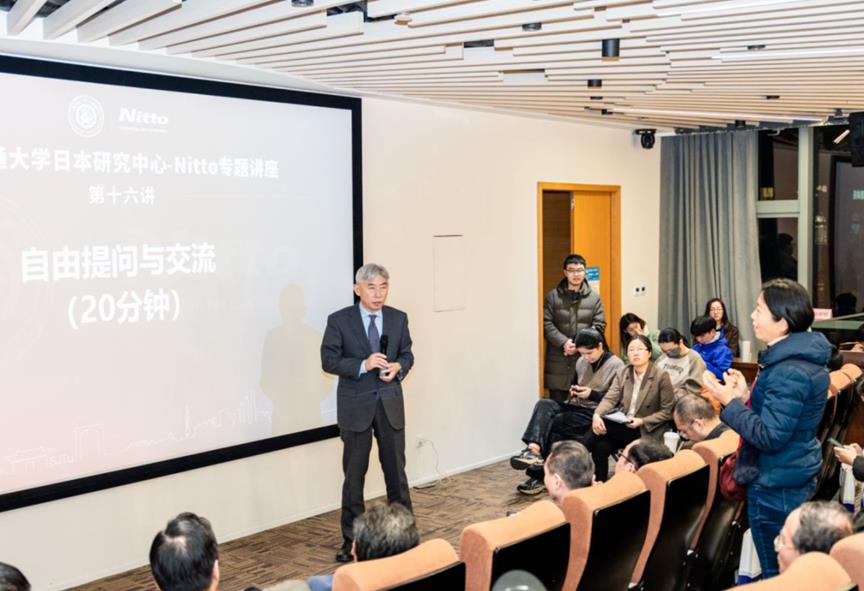
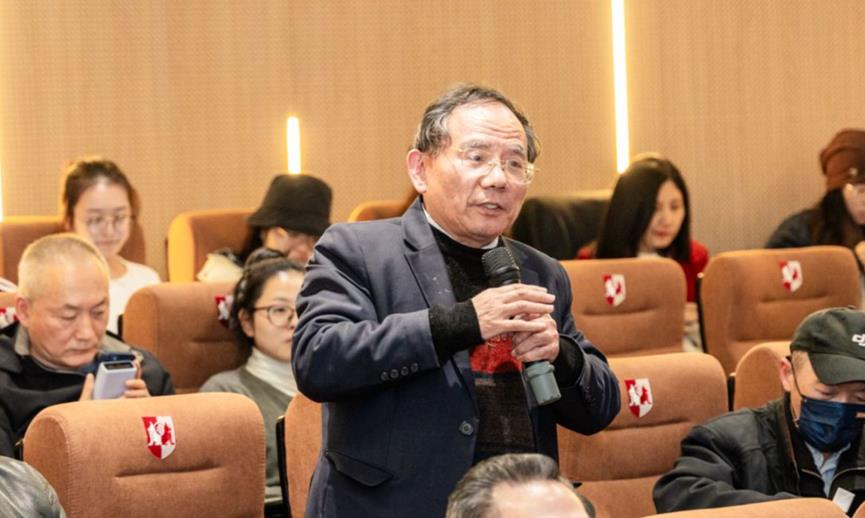
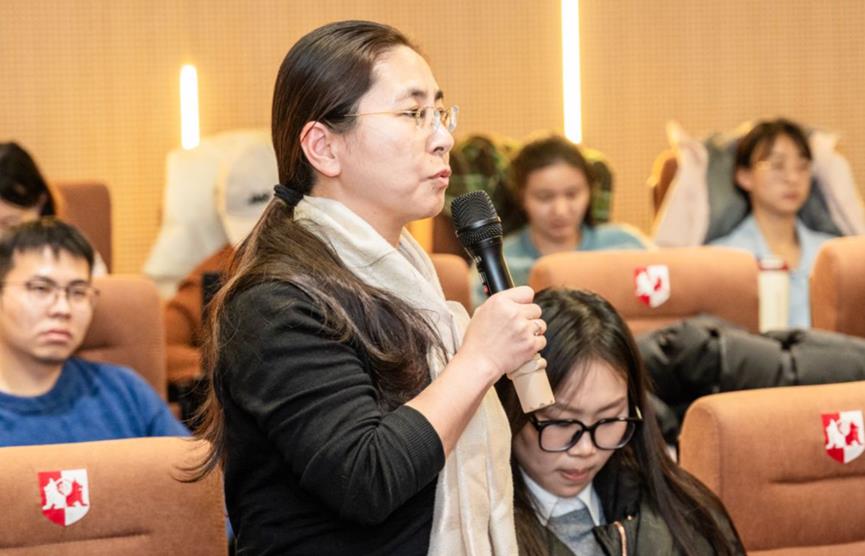
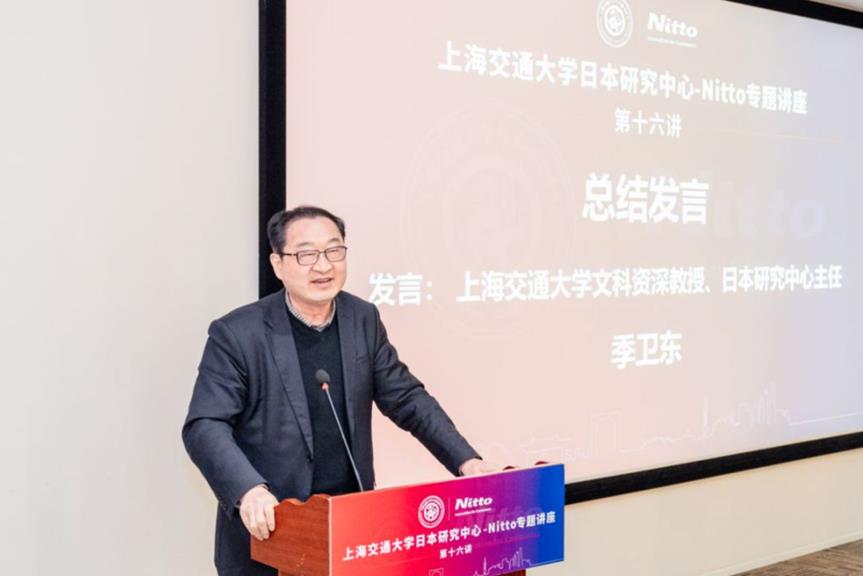
Ji Weidong summarized the lecture. He said that the lecture was an academic feast, and the speeches of Professor Huang Xiangqing and Professor Lu Baoliang deeply inspired the participants. He pointed out that the lecture spanned the fields of law and AI, exploring the coexistence of humans and machines, especially the challenges in legal interpretation and emotional computing, and demonstrating the prospects of AI application in the judicial field. He also highlighted that there were still many challenges in the application of AI in the legal field, and how to balance the advantages of data and model innovation remained an important issue for the future. He thanked all the attending guests and looked forward to continuing to promote the in-depth cooperation between law and science and technology in the future, providing more innovative ideas for academic development. Finally, he expressed his heartfelt thanks to Nitto Denko for its long-term support to the Center, as well as the wonderful sharing of the keynote speakers and discussion guests, and the active questioning and participation of the participants.
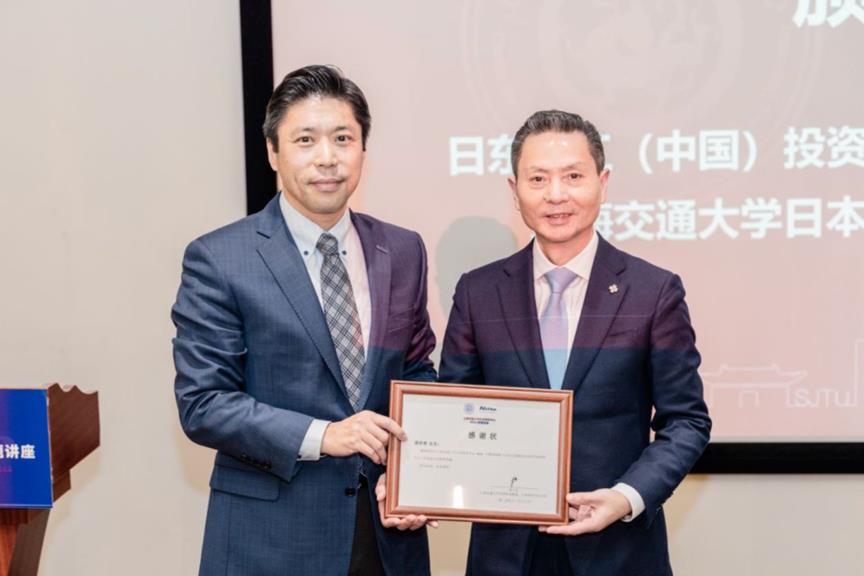
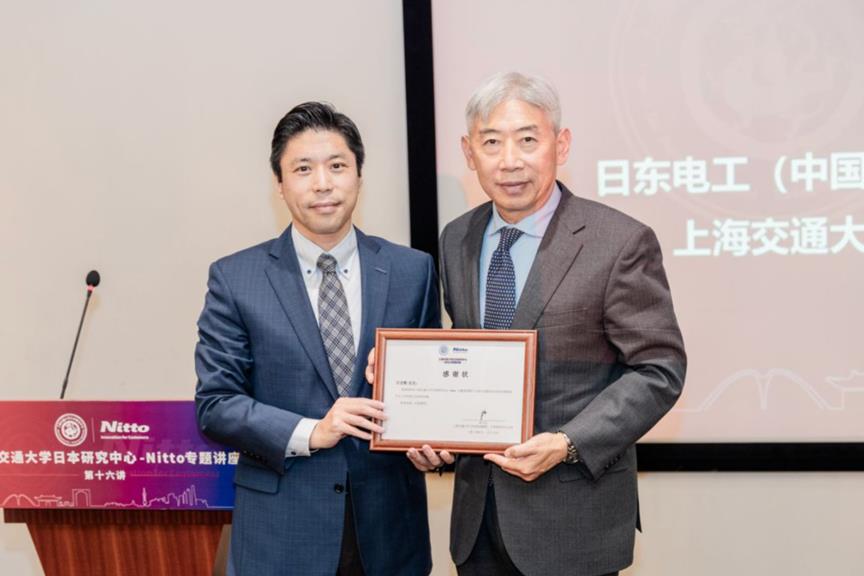
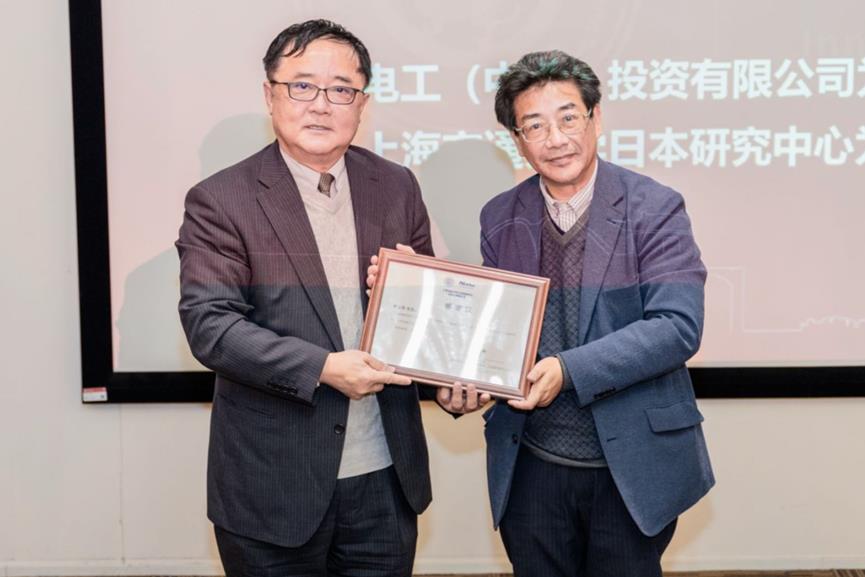
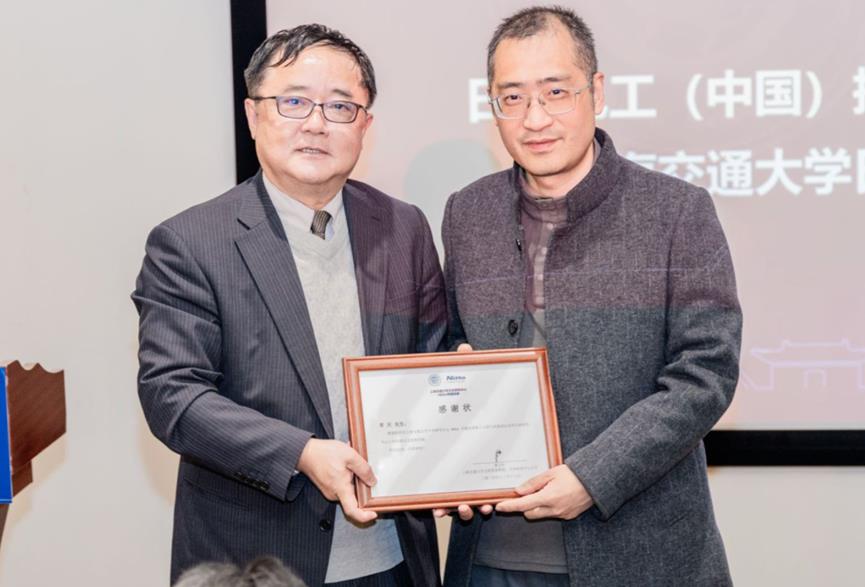
At the end of the lecture, Wang Jian and
Cai Yuping, on behalf of Nitto Denko (China) Investment Co., Ltd. and the Center,
presented certificates of appreciation to the keynote speakers and discussion guests,
thanking them for their wonderful sharing and great support for the Nitto themed
lecture by the Center. The lecture ended in a pleasant atmosphere.